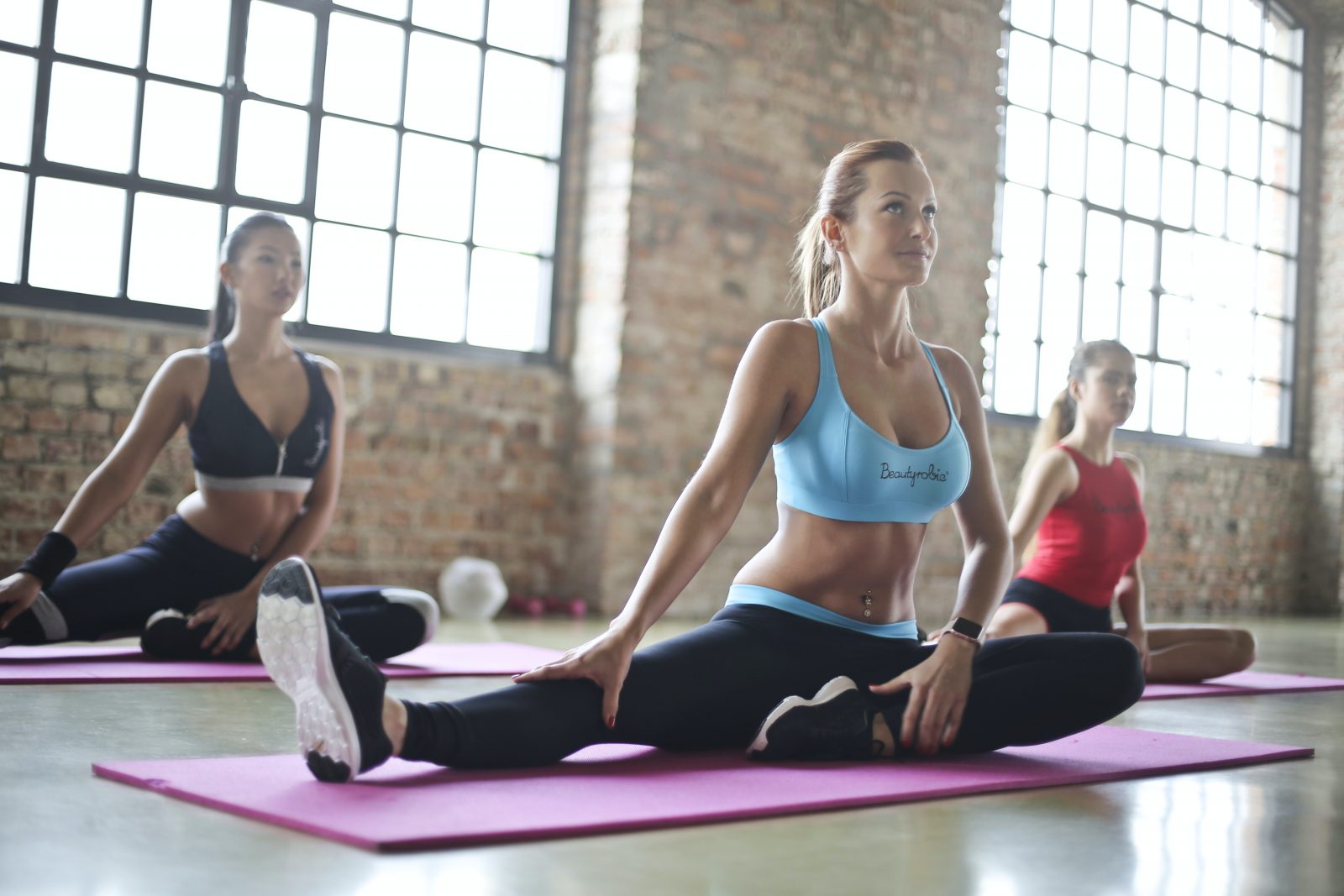
Trying out a new balance pose in a yoga studio is hard enough on its own, but it gets even harder when you’re fiddling with sagging, overly tight, or uncomfortable yoga clothing.
That’s why it’s so important to buy breathable, flexible and comfortable clothing.
You can also order tailoring, cloning of your clothes or repair of yoga clothes.
Buying yoga clothes will largely depend on personal preference as well as the style of yoga you plan to practice.
A comfortable warm top layer for shavasana (corpse pose) at the end of a class or after class when you’re cool.
Many types of yoga clothing are made from polyester, nylon, and spandex blends, and for good reason—these fabrics strike the right balance of comfort, breathability, and flexibility:
Comfort: There is nothing worse than doing yoga in uncomfortable clothes.
When you’re attuning to your body, you don’t want to focus on itchy seams and tags, sagging or overly tight belts, or fabric that binds and rubs.
Breathability: Depending on the type of yoga you practice, you may sweat a little or a lot. In particular, if you’re sweating a lot, it’s important to wear breathable and moisture-wicking materials to keep you cool and comfortable. T-shirts, cut-out shirts, and yoga pants with mesh pockets improve breathability and ventilation. Avoid cotton, which traps moisture, makes you feel hot and damp, and then leaves you prone to chafing or colds when class is over.
Flexibility: Yoga includes bending, stretching, tying, lunging, stretching, and rolling. Your clothing needs to be able to keep up with these movements, which means it will likely be made from at least 15 percent spandex.
Yoga clothing belongs to a category often referred to as “sports leisure”, which means that people are now wearing yoga clothing for fashion reasons and not just for everyday needs. So now you’ll find yoga gear with pockets, mesh cutouts, bright colors, wild patterns, and more. While it’s all fun, if you’re planning to wear your clothes to a real yoga class, don’t forget to pay attention to functionality: When you’re trying things on, consider doing a few yoga poses (downward-facing dog and high crescent). lunges are a great option) in the locker room or at home to test the elasticity and comfort of clothing.
Leggings/Yoga Pants: Yoga clothing brands offer several styles of yoga pants in various lengths and fits. As with all yoga clothing, look for yoga pants or leggings (terms that are used somewhat interchangeably) that offer a good combination of breathability, flexibility, and comfort.
Pants made from a nylon, polyester, and spandex blend are a good choice as they move with you in poses, but also wick away moisture.
If you’re worried about flex and stretch coverage, high-waisted leggings or pants might be a good choice; they tend to be less likely to slip during a quick workout or roll down too far during inverted poses such as down dog. Most leggings range in length from mid-calf to full leg. Loose pants can be a good option for slower yoga sessions such as recovery or yin; they are generally not recommended for power vinyasa practice as they can hinder mobility. If you choose to wear loose-fitting pants for challenging yoga sessions, look for options that wrap around your ankle.
Yoga shorts. Several brands are releasing men’s yoga shorts with built-in liners for comfort during flexible and stretchy practice. Alternatively, you can find longer yoga shorts that reach to the knee, which can help with flipping. Typically reserved for women, spandex yoga shorts are a challenge; they tend to ride up during practice and don’t provide enough coverage during difficult poses. However, some people find them the most comfortable option when it’s hot and sweaty, like in a hot yoga class.
In general, avoid yoga pants that are too thin and see-through, sagging (common in over-tight low-rise pants), or made from cotton. If you build up heat while exercising, remember that longer leg coverage can be a bonus for arm balancing poses as the fabric keeps your feet from slipping off your sweaty hands.
Yoga Tops: Regardless of style, most yogis prefer to wear form-fitting t-shirts or tank tops that are snug around the hips and waist. This narrow cut prevents the shirt from falling over the head during forward bends. Shirts made of breathable, moisture-wicking materials with soft seams are also suitable for sweaty activities; Avoid itchy tags and tops that rub under your arms. Many yoga tops also have built-in sports bras.
Test your yoga top by leaning forward to touch your toes in the locker room: is your shirt ripping across your chest or falling on your head? If so, trade it in for a tighter-fitting shirt. As always, avoid cotton.
Yoga sweaters/jackets. If you plan to run errands after class, you may want to wear warm and comfortable yoga clothing, such as a jacket, a quarter zip, or a sweatshirt. This can be especially helpful in the winter, after you leave a sweaty classroom: the extra layers can prevent the immediate chill you’re likely to experience after leaving a warm room.
Sports bras: Your choice of sports bra will depend on your bra size and coverage needs. In general, high-intensity activities such as strength vinyasa require more support, as you are likely to twist and roll (turn upside down). If you’re planning on attending low-intensity classes, such as yin or restorative yoga, a lower level of support might be a better fit. It’s worth noting that many yoga women only wear sports bras, with no tank tops or t-shirts, in more athletic style classes. Some tank tops and yoga tops come with built-in bras.
Yoga Socks: Some people prefer to wear socks while doing yoga to keep their feet from slipping on the mat. Most yoga socks have plastic steps at the bottom to prevent slipping; You can also find yoga socks. If you prefer not to wear socks in class, consider purchasing a non-slip yoga mat or laying a yoga towel on top of your existing mat.
Breathable underwear: Like any sport, yoga requires sweating and movement, so you need to wear underwear that is breathable, wicks moisture, and doesn’t clump; avoid cotton. Buy underwear that doesn’t rub or shift too much on your body as you move into deep stretches. Some people prefer to wear tight-fitting yoga pants without underwear.
How to care for yoga clothes?
Most yoga clothing comes with washing instructions, but in general it is recommended to turn the equipment inside out and wash in cold water, then tumble dry on low heat for a short cycle. If you have time, hang your gear to dry rather than tumble dry it; a short cycle or hang dry extends the life of your clothes. If you have brightly colored clothes, wash them separately the first few times in case the color bleeds. Also, wash yoga equipment separately from cotton materials, as cotton fibers tend to stick to yoga clothing.
Appointment in the atelier or dry cleaning 24/7
We will contact you within a day.
